What You Need To Know
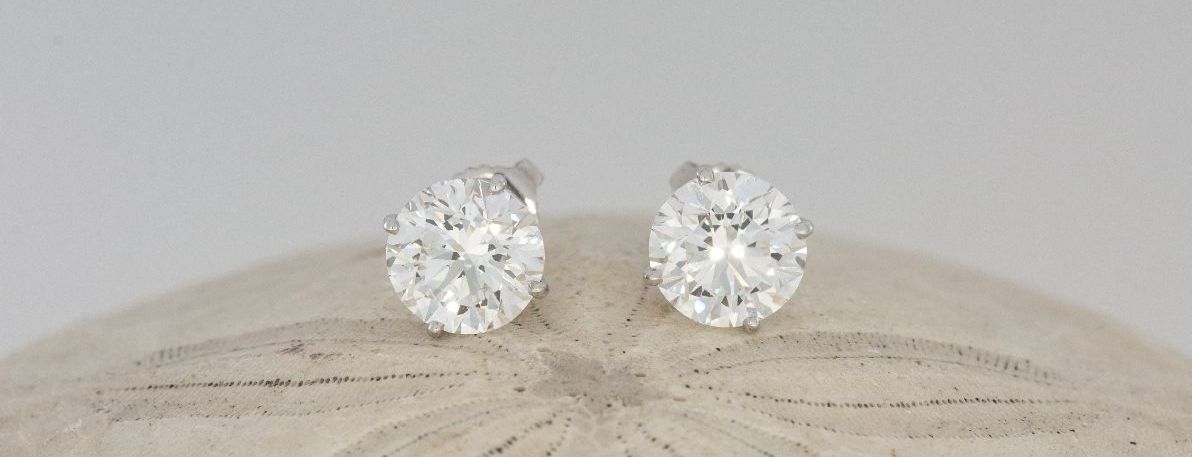
Laboratory-grown diamonds, also known as synthetic, man made, cultured, lab created, etc., are grown in a controlled manufacturing setting that mimics the same environment that a natural, earth made diamond is created. This environment consists of high temperature and high pressure. The chemical, atomic, and crystal structure is the same. Because only the location is different, they exhibit the same optical and chemical properties. The following is reprinted from the American Gem Society website. What assurances do I have that the diamond I buy from you is what you say it is?
Our goal is to maintain our product integrity by ensuring that what we sell is what we say it is and by offering responsibly-sourced jewelry.
• Our store is a member of the American Gem Society, a nonprofit dedicated to consumer protection.
• As members, we adhere to a code of ethics that follows all governing laws and ensures that you buy from jewelers with the knowledge and skill to help you make the most informed buying decision.
• This includes giving full disclosures on all the jewelry we sell and resolving any customer complaints relating to the sale of jewelry.
I would like to have someone look at my diamond to determine if it’s natural or not.
We are happy to help! If you purchased it from us, we can do our due diligence for you at no charge. If you purchased it elsewhere, we can put it on our iD 100 equipment, but if it needs further testing, we may ask that you leave it with us. Our two graduate gemologists can use our gem laboratory equipment that will help them determine whether it is natural or lab grown. There are fees associated with this process for non Olufson Designs diamonds.
How do I know if I have a natural diamond in my ring or if it’s something that looks similar, like a laboratory-grown diamond?
There are laboratory-grown diamonds or other materials that look similar to diamonds such as moissanite, cubic zirconia, and crystal, but we will not sell you one without disclosing it.
Our policy is to disclose all treatments and types of gems and materials. In our store, if we show you a laboratory-grown diamond, we’ll let you know it’s laboratory-grown.
Is it true that grading labs can’t detect all laboratory-grown diamonds?
Most diamond grading laboratories have the equipment it takes to decide if it’s natural or not.
In most cases, testing for laboratory-grown diamonds requires expert gemologists with high-tech equipment that follows specific testing protocols to differentiate between natural and laboratory-grown diamonds. Olufson Designs’ gem lab has some of this equipment, but if both gemologists find it necessary to send it to an outside lab, we will make those recommendations to you.
It takes a lot of training, experience, and knowledge of diamond growth, chemistry, and optical properties to make a conclusive determination.
Are lab grown diamonds a responsible choice environmentally?
• The production of laboratory-grown diamonds requires sophisticated machinery and expends tremendous electricity, often by the consumption of fossil fuels.
• Natural diamonds are mined from kimberlite rock with a mechanical process that utilizes water and fossil fuels.
o These diamonds present some of the cleanest forms of mining. It’s mainly reliant on mechanical processes due to the softness of the kimberlite rock where the diamonds are found. Of the waste produced by diamond mining operations, 99% is rock. This waste is disposed of on-site and is reclaimed as part of the landscape during the mine closure and rehabilitation process.
• Both laboratory-grown and natural require fossil fuels in the cutting process and to ship them around the world.
How do you know which vendors to use?
We vet all our vendors to ensure they adhere to responsible sourcing practices. We require our vendors to disclose the identity of all gemstones (natural versus lab grown diamonds and color gemstones) they sell, including any treatments those gems have undergone. If they do not comply we will not do business with them.
Recently I’ve read a few critical articles about the jewelry industry. Is the industry untrustworthy?
We wouldn’t be in the industry if it were! The jewelry industry has many good people and positively impacts communities worldwide.
We are a member of the American Gem Society (AGS), a nonprofit association dedicated to consumer protection, a high standard of ethics, and ongoing education. In addition to AGS, there are jewelry associations dedicated to helping people, like:
• Jewelers For Children (JFC), a nonprofit organization, has donated more than $60 million to help children who are victims of catastrophic illness or life-threatening abuse and neglect. Our industry is very supportive of JFC and has helped raise millions to help support them.
o The support from the jewelry industry has allowed for more than 2,000 children to be granted wishes in the U.S. and more than 12,000 to have their wish granted in India. More than 56,000 children in foster care have been helped and more than 125,000 women have received support at clinics in developing countries.
o This support has also provided for a bone marrow transplant unit, a chair in Genes and Genetic therapy and a stem cell transplant laboratory, all providing for hundreds of children to be treated for deadly cancers.
• Diamonds Do Good is another excellent organization. They are a global nonprofit with a mission to support programs that develop and empower people in natural diamond communities.
o Their mission supports initiatives that develop and empower people in diamond communities worldwide; the organization looks to fund programs that have proven success in providing youth with high-quality education, including leadership development and entrepreneurial skills building.
o From the Northwest Territories of Canada to Surat, India, where nine out of 10 diamonds are polished, Diamonds Do Good is committed to giving back where diamonds are mined, cut, polished, and sold.
• Gem Legacy is a charitable nonprofit that supports vocational training, entrepreneurship, and community development in East African artisanal gem mining communities.
o 100% of every donation goes directly to initiatives
o Gem Legacy is also trying to raise money to help prevent silicosis by providing miners with proper masks and filters that can prevent inhalation of silica dust.
I’ve had some issues with another jeweler. How do I file a complaint?
• You can contact the Jewelers Vigilance Committee (JVC). They assist consumers and members with jewelry purchase-related disputes. Their website is jvclegal.org.
• If the jeweler is a member of the American Gem Society, you can file a grievance with them. Contact membership@ags.org.
>>The next portion of this two part series will go into greater detail of laboratory-grown specifics such as how they are grown
FAQ’s on Lab Grown Diamonds