
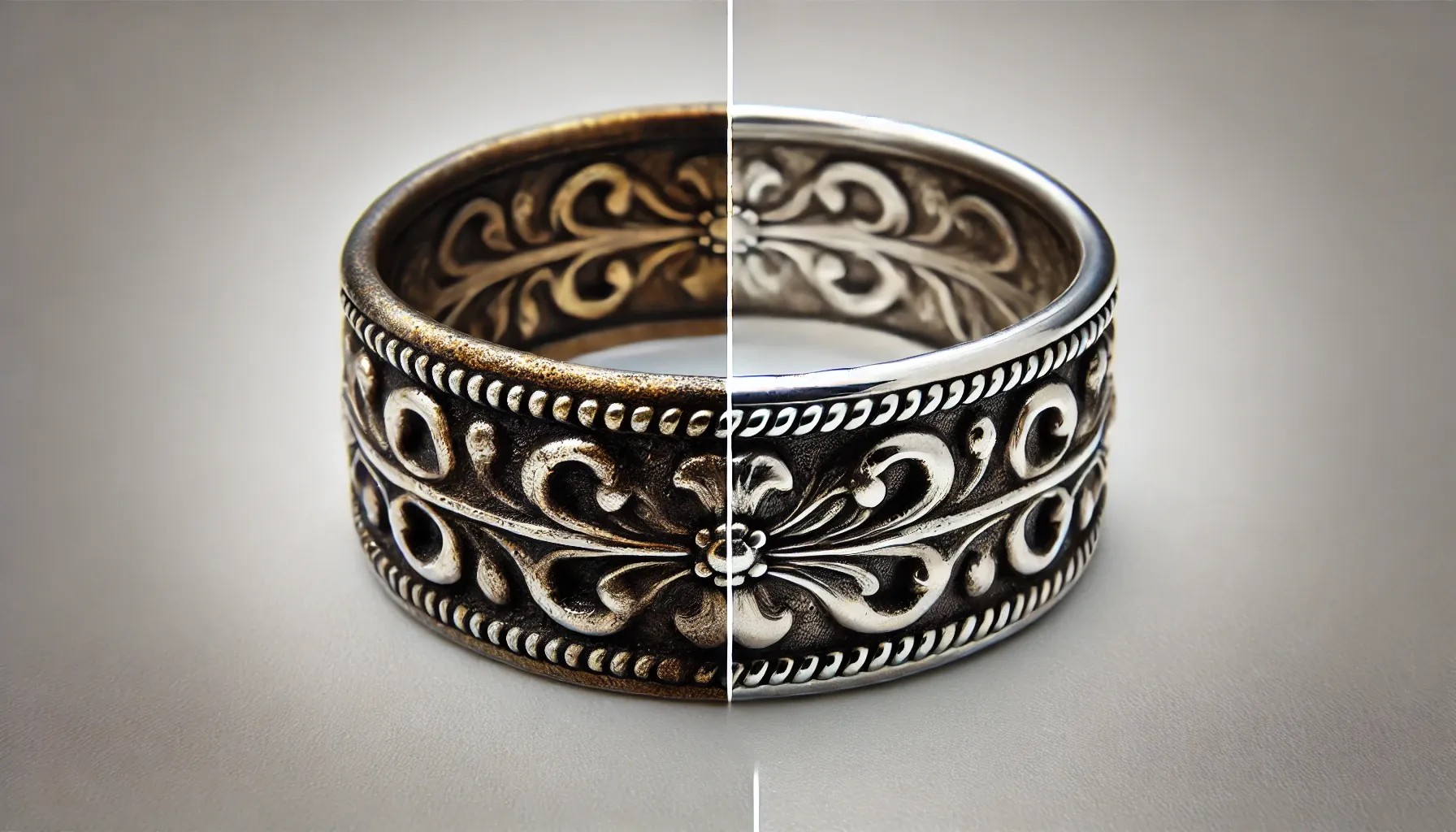
Precious metals like sterling silver, gold, and platinum are cherished for their beauty, durability, and value. However, exposure to various chemicals can significantly impact their appearance and longevity. Understanding these effects is crucial for both jewelers and wearers to maintain the integrity and shine of their jewelry.
Sterling Silver
Sterling silver, composed of 92.5% silver and 7.5% other metals (usually copper), is particularly susceptible to chemical reactions. The most common issue with sterling silver is tarnishing, a process where the metal surface darkens due to exposure to sulfur-containing compounds in the air. Everyday substances such as perfumes, lotions, and even sweat can accelerate tarnishing.
Chlorine, found in swimming pools and household cleaners, is especially harmful to sterling silver. It can cause the metal to corrode and weaken, leading to discoloration and potential structural damage. Similarly, acidic foods (like citrus fruits) and certain cleaning agents can cause pitting and surface damage to sterling silver jewelry.
Gold
Gold is prized for its resistance to tarnish and corrosion, but it’s not entirely immune to chemical effects. Pure gold (24 karat) is relatively inert and doesn’t react easily with most chemicals. However, gold jewelry is often alloyed with other metals to increase its strength and durability, and these alloys can react with certain chemicals.
For example, chlorine can weaken gold jewelry by attacking the alloyed metals, causing the piece to become brittle and prone to breaking. Similarly, harsh cleaning agents, such as those containing ammonia, can dull the surface of gold jewelry and strip away protective coatings.
Gold’s softness also makes it susceptible to scratching when exposed to abrasive chemicals. It’s essential to avoid contact with household cleaners, cosmetics, and chemicals like bleach to maintain the metal’s luster and structural integrity.
Platinum
Platinum is highly resistant to tarnish and corrosion, making it an ideal metal for fine jewelry. Its dense, durable nature means it doesn’t easily react with most chemicals. However, platinum is not completely impervious to damage.
Chlorine, in particular, can affect platinum, albeit less severely than sterling silver or gold. Repeated exposure to chlorine can cause platinum to develop a dull appearance over time. Additionally, while platinum is more scratch-resistant than gold, abrasive chemicals can still cause minor surface scratches and dullness.
To maintain platinum’s brilliance, it’s best to avoid contact with harsh chemicals and to clean it using gentle, non-abrasive methods. Using a mild soap solution and a soft brush can effectively clean platinum jewelry without causing damage.
Conclusion
While sterling silver, gold, and platinum are all durable and beautiful metals, their longevity and appearance can be compromised by exposure to certain chemicals. Understanding how these metals react to everyday substances and taking preventive measures can help keep jewelry looking its best. Avoiding chlorine, harsh cleaning agents, and other corrosive substances is key to preserving the integrity and shine of precious metal jewelry.
References
1. American Gem Society. (n.d.). Care & Cleaning Tips. Retrieved from American Gem Society.
2. GIA. (n.d.). Jewelry Care and Cleaning Tips. Retrieved from GIA.
3. Jewelers of America. (n.d.). Jewelry Care & Cleaning Guidelines. Retrieved from Jewelers of America.