What are gemstone inclusions?
According to Gemsociety.org, an inclusion is “any material that is trapped inside another mineral while that mineral forms.” Inclusions tell us a lot about how or where the gem grew. Inclusions can range from simple gas bubbles, to insects, to fractures, to other minerals like garnet. One gem that helps us understand where it grew is a demantoid garnet, which can feature a “horsetail” inclusion (Figure 2). Most horsetail included demantoids are from Russia. While understanding how a gem forms would be opal (Figure 6), since fluctuations in groundwater help a silica rich area form opal. Often gemologists can look at the inclusions to determine whether a gem is synthetic vs. natural or what kind of treatments (ex: heat) have been done to most gems.
How do you identify inclusions in gemstones?
Inclusions often need a microscope or jeweler’s loupe since they are so small. Yet some gems can be appreciated for their macro characteristics, like rutilated quartz (Figure 4), where you can see them with the unaided eye. Grading gemstones and learning about all the different types of inclusions is the most demanding learning portion in a gemologist’s education.
Are inclusions always a bad thing?
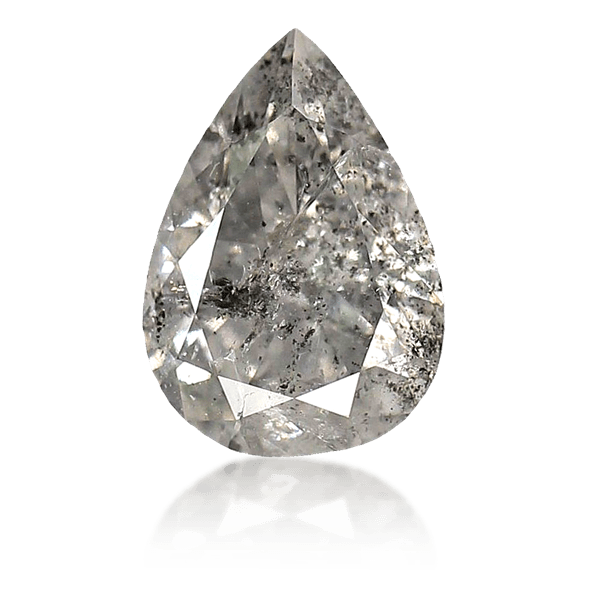
Absolutely not! If it were not for inclusions, many deceptions would pass through jeweler’s hands. A gemologist will be able to tell you if your gemstone is natural versus synthetic and the vast price difference between them. Inclusions help us in knowing if a gemstone is heated versus unheated like in sapphires. Appreciating a sapphire for not being heated happens to less than 5% of all sapphires which transpires into an increase in price. Think ‘rare’ when you see an unheated sapphire. Diamonds are graded at 10x power (fairly low), whereas many inclusions need 100x power to be identified. The most valuable diamonds are inclusion-free clarity grades because they are very rare and their price is adjusted for being inclusion free. “Salt and pepper” diamonds (yes, they look just like they sound) are becoming more popular (Figure 13). These diamonds have natural black carbon and white inclusions in them. When evenly distributed, they can be quite beautiful yet purchasable on a reduced budget.
What are the most valuable inclusions?
While inclusions are predominantly a negative, demantoid garnets are a gem where it’s a good thing to have the horsetail inclusion in them. Finding an insect in amber is also highly prized. While the walking cane in the Jurassic Park movie may or may not be real, gemologists would tell you that scenario would be quite valuable. Another example is the (Figure 9) silk in gemstones that create a star pattern. Four, six, or eight rayed stars are all examples, under certain light, where the inclusion adds a phenomenon for a phenomenal extra value.
References: click on image for creditentials
Fig. 1: Diamond trigons

Fig. 2: Demantoid horsetail
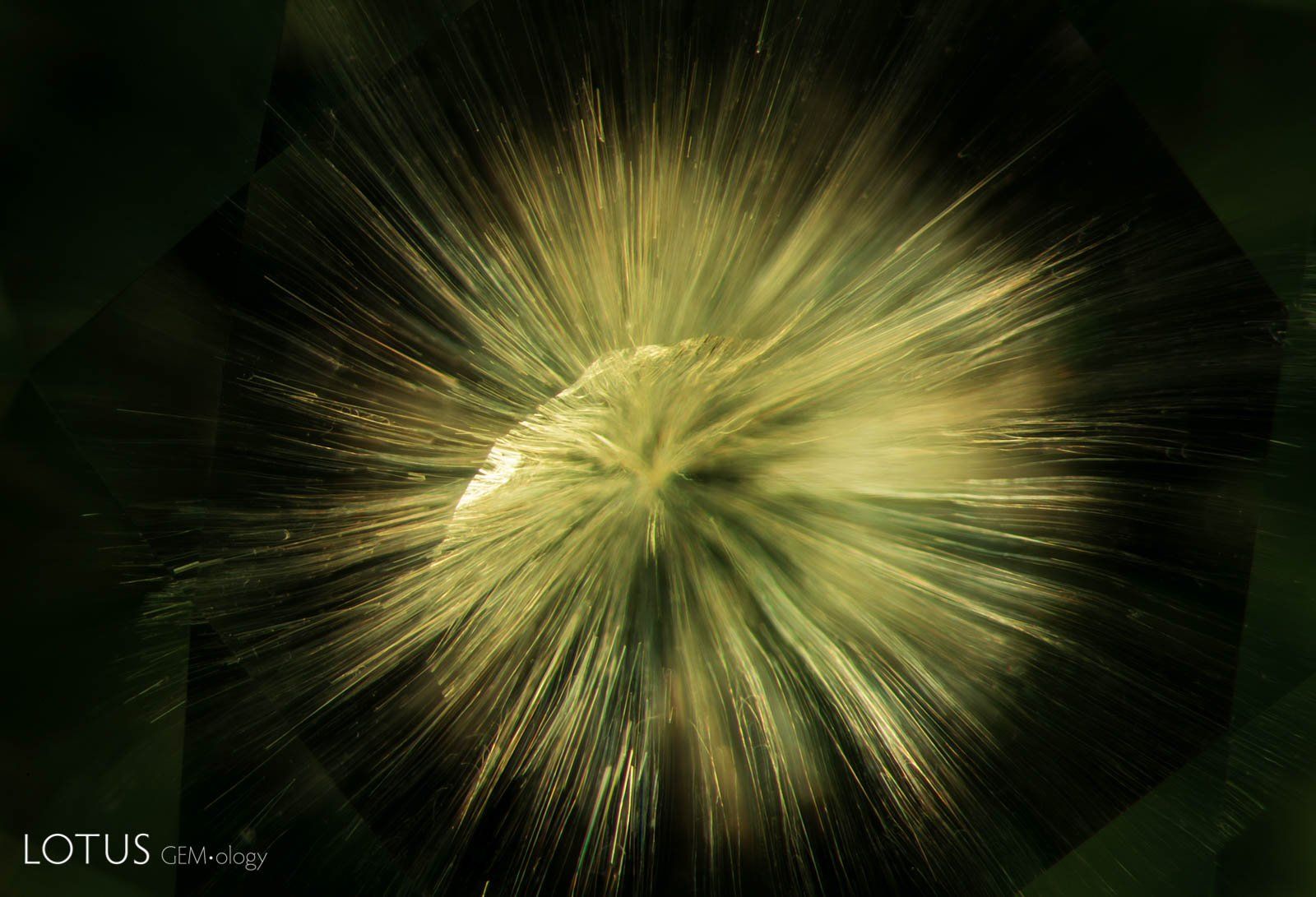
Fig. 3: Wasp in amber
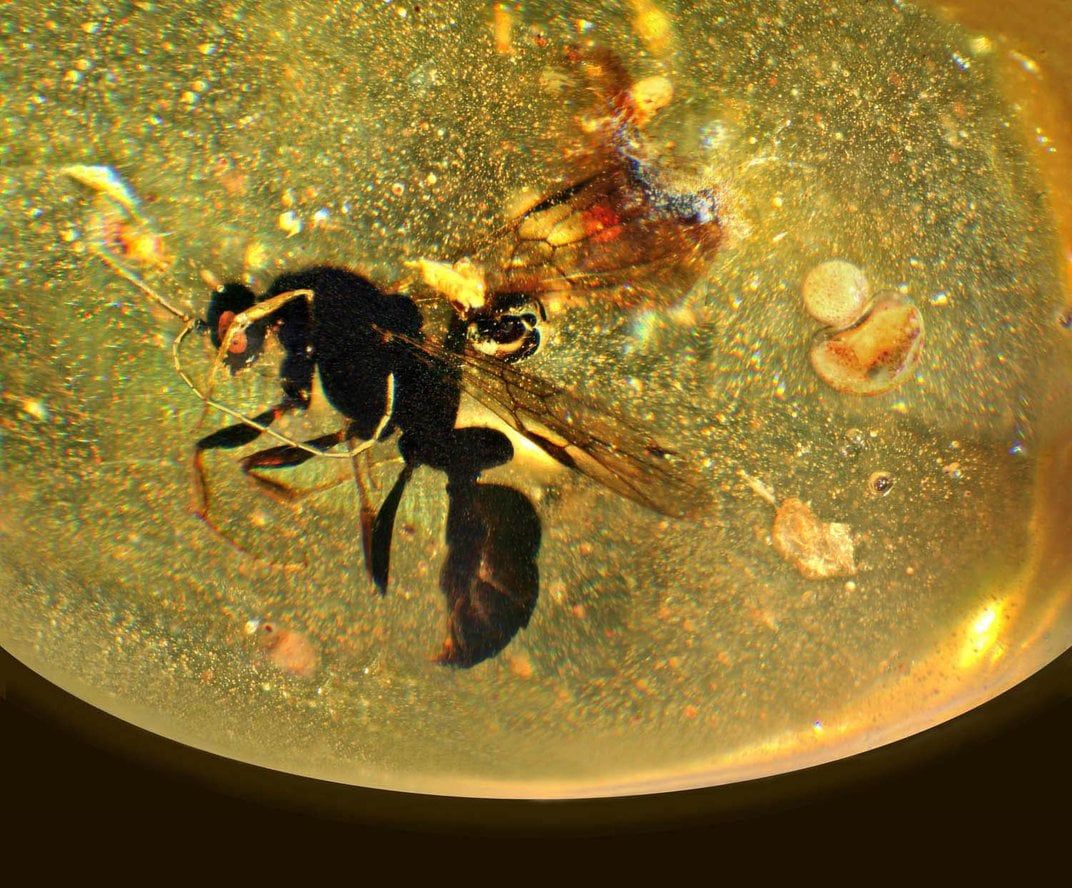
Fig. 4: Rutile needles in quartz
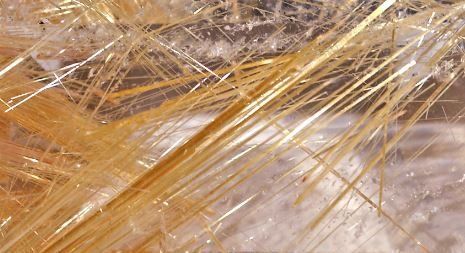
Fig. 5: Dendrites in quartz
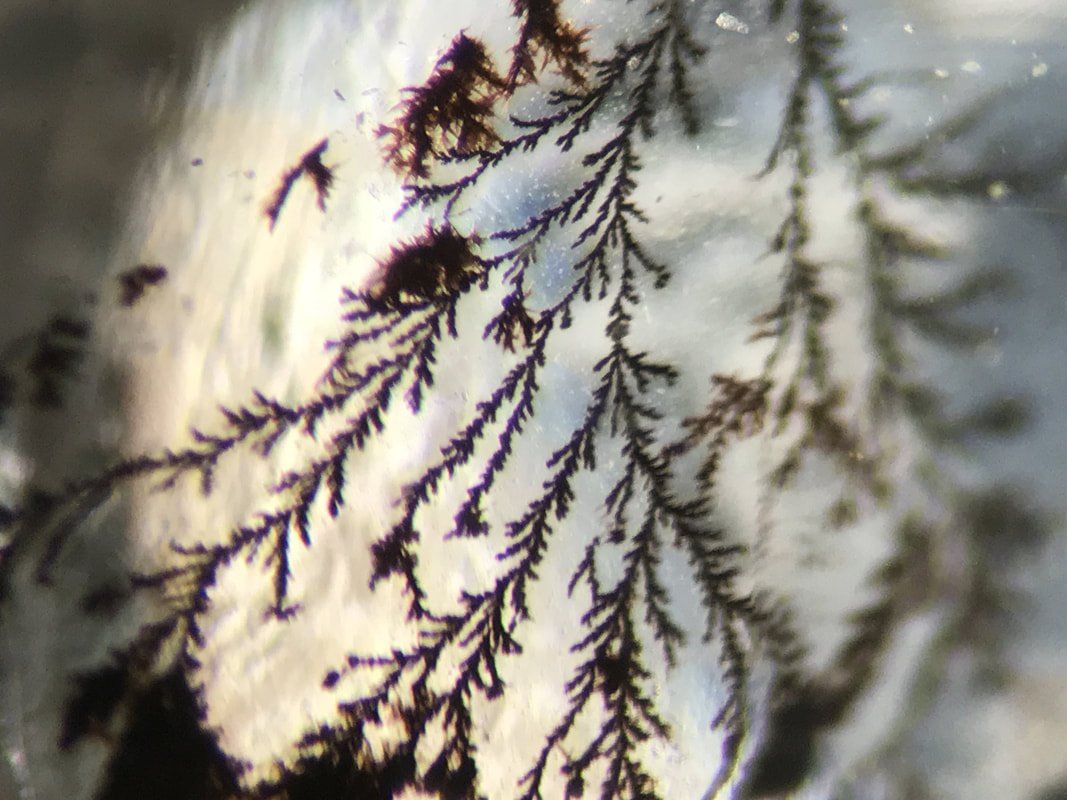
Fig. 6: Opal silica spheres
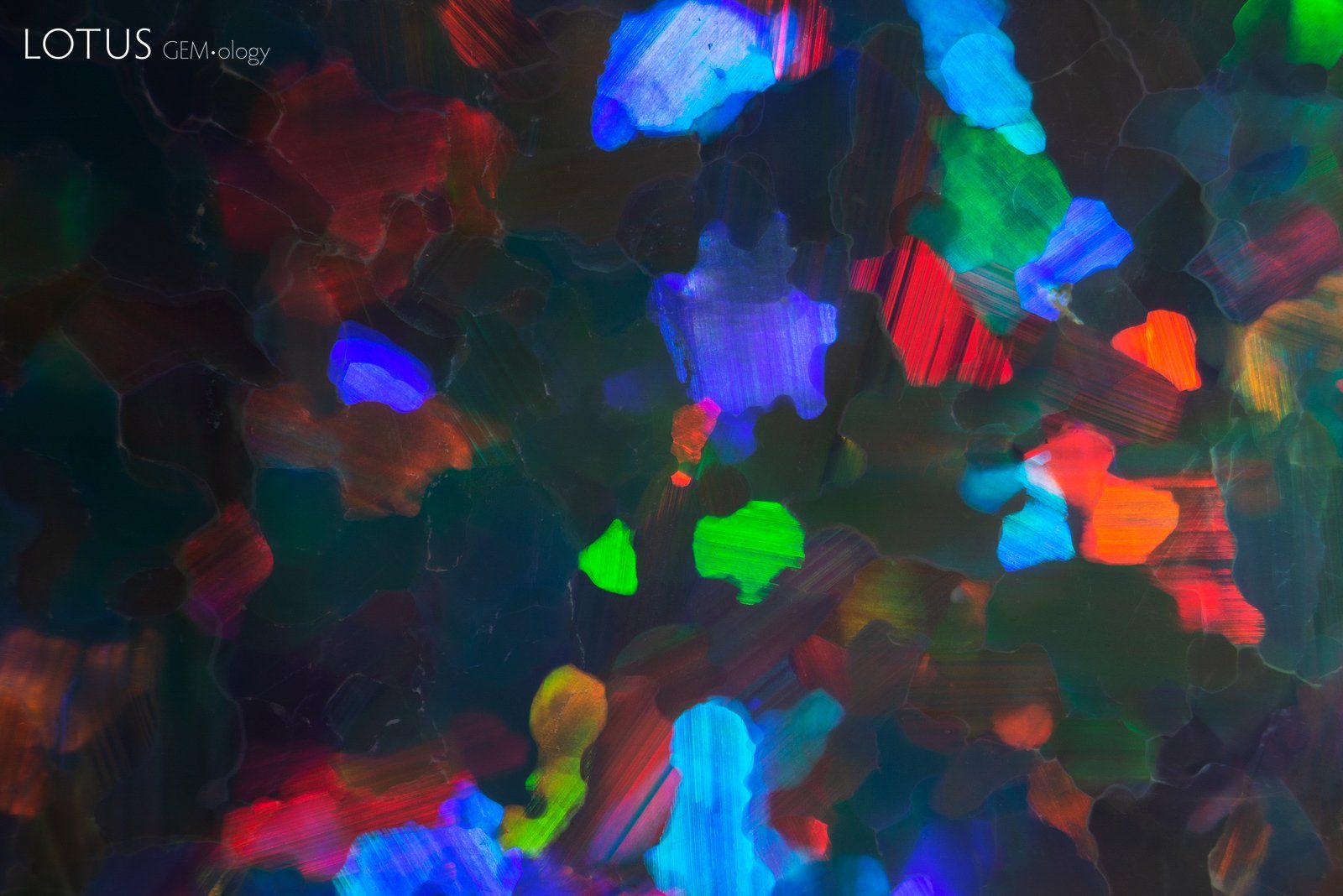
Fig. 7: Moonstone centipedes
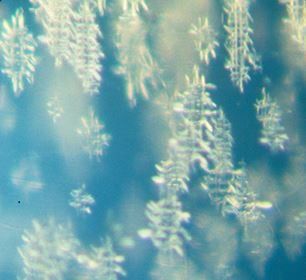
Fig. 8: Peridot lily pads
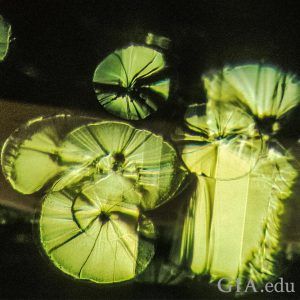
Fig. 9: Blue sapphire silk
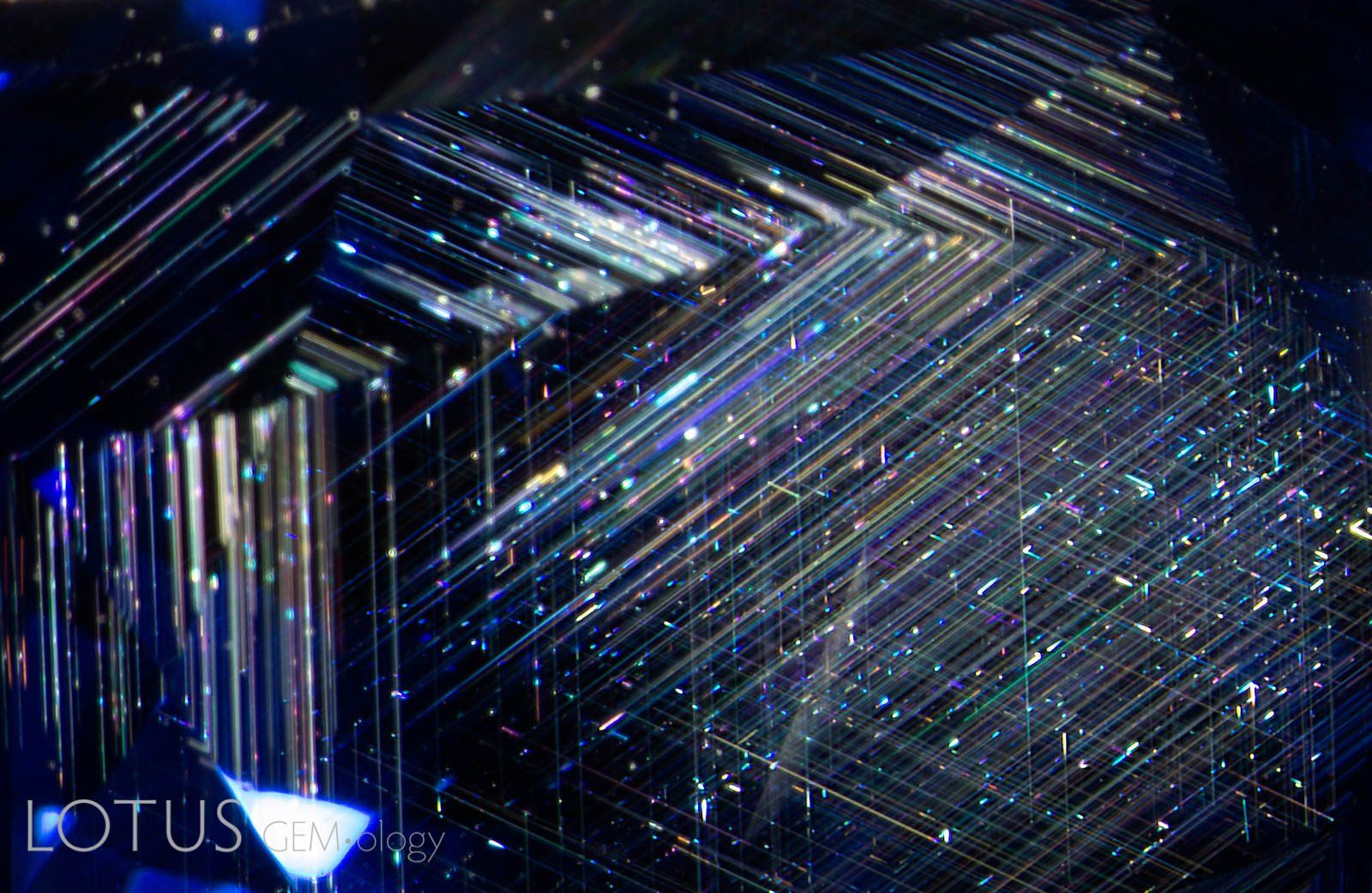
Fig. 10: Sunstone rainbow lattice
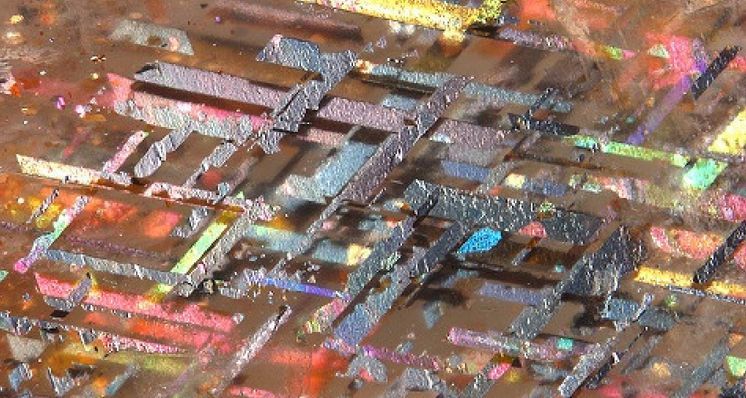
Fig. 11: Ruby with mica inclusion
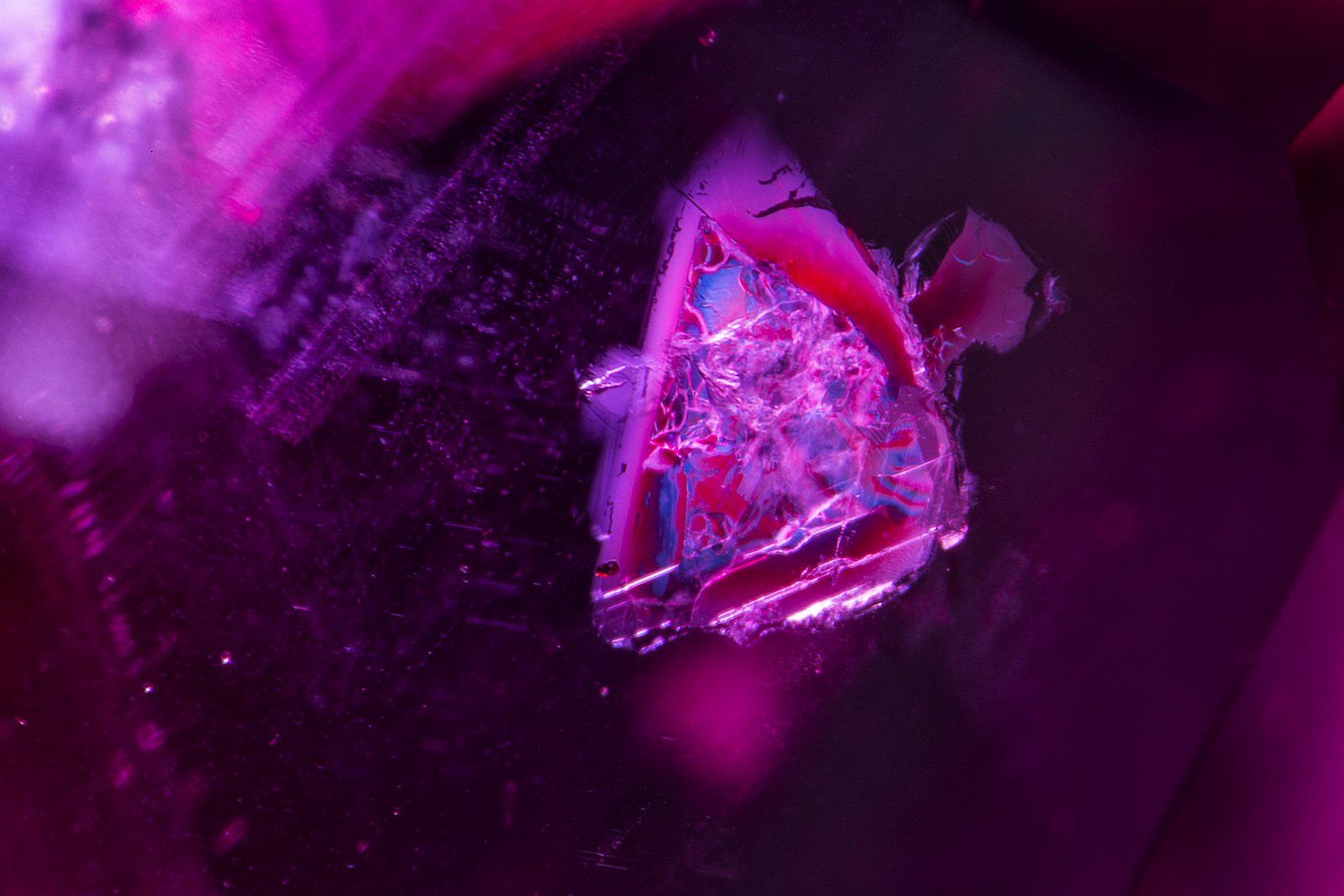
Fig. 12: Zircon crystal in spinel gemstone
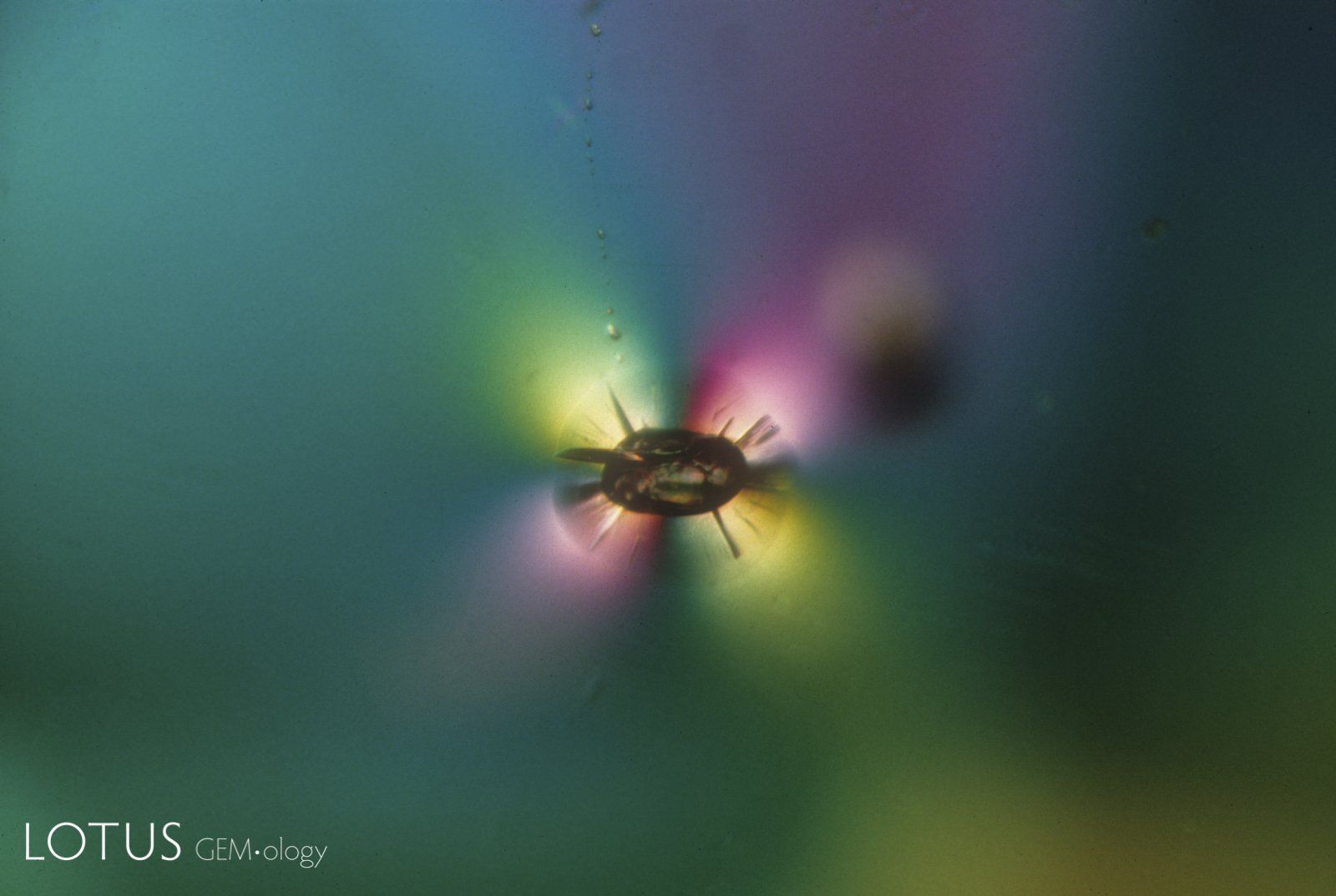
Fig. 13: Salt and pepper diamond